The Secret to a Perfect Seal: Why Rubber Gaskets Matter on Screws

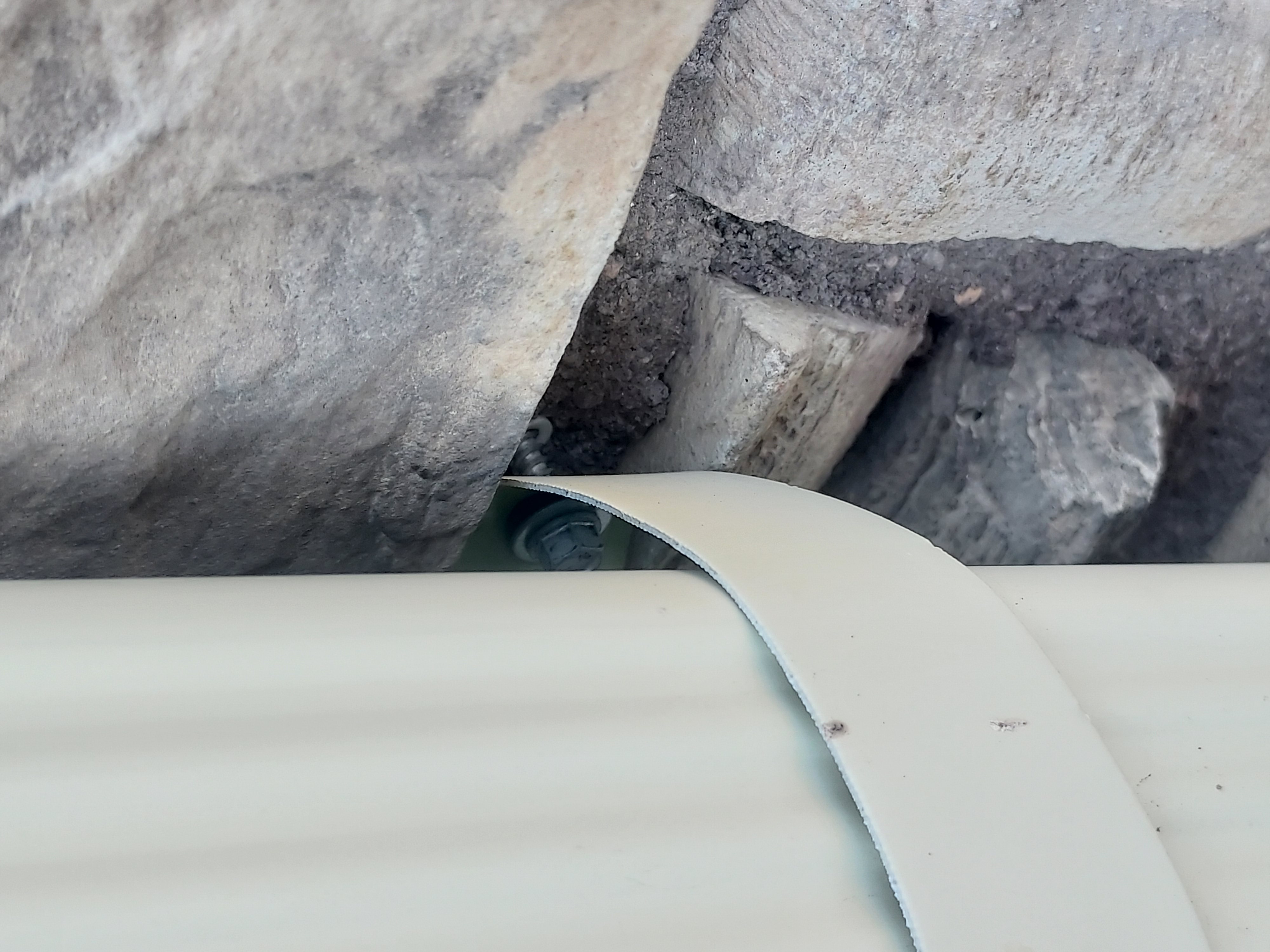
Small but Mighty: Why the Rubber Gasket Around Your Screw Matters
When it comes to construction and DIY projects, we often focus on the big components—the lumber, the metal sheets, or the power tools. However, some of the most critical engineering feats are found in the smallest details. One such detail is the rubber gasket found around the head of a screw.
At first glance, it might look like a simple black ring, but this small piece of rubber is doing a massive amount of work to ensure the structural integrity and longevity of your project.
What is a Gasketed Screw?
Often referred to as "sealing washers" or "EPDM washers" (short for Ethylene Propylene Diene Monomer), these gaskets are integrated into the underside of a screw head. When the screw is driven into a surface, the rubber compresses, creating a tight, elastic barrier between the metal screw and the material being fastened.
Key Benefits of the Rubber Gasket
- Watertight Sealing:
The primary function of the rubber gasket is to prevent moisture from entering the pilot hole. This is essential in roofing, siding, and outdoor plumbing. Without the gasket, water can seep through the threads, leading to rot in wood or rust in metal.
- Vibration Dampening:
In machinery or transport vehicles, constant vibration can cause screws to loosen over time. The rubber acts as a shock absorber, maintaining tension and preventing the fastener from backing out.
- Preventing Surface Damage:
Metal-on-metal or metal-on-plastic contact can be abrasive. The gasket acts as a cushion, preventing the hard underside of the screw head from scratching or cracking delicate surfaces like glass, acrylic, or painted metal.
- Air-Tight Security:
In HVAC systems or airtight enclosures, these gaskets ensure that air pressure is maintained and that dust or debris cannot enter sensitive areas.
Best Practices for Installation
To get the most out of a gasketed screw, torque is everything.
- Under-tightening: If the screw is too loose, the gasket won't compress enough to create a seal.
- Over-tightening: If you drive the screw too hard, the rubber can "mushroom" out or split, which actually destroys the seal and exposes the hole to the elements.
The goal is to tighten until the rubber slightly bulges past the edge of the screw head, indicating a firm, uniform compression.
Conclusion
Whether you are building a new shed, installing a metal roof, or working on a weekend DIY craft, don't overlook the importance of the rubber gasket. It’s a low-cost addition that provides high-value protection against leaks, corrosion, and wear. Next time you pick up a screw, take a closer look at that little rubber ring—it's the secret to a professional, long-lasting finish.