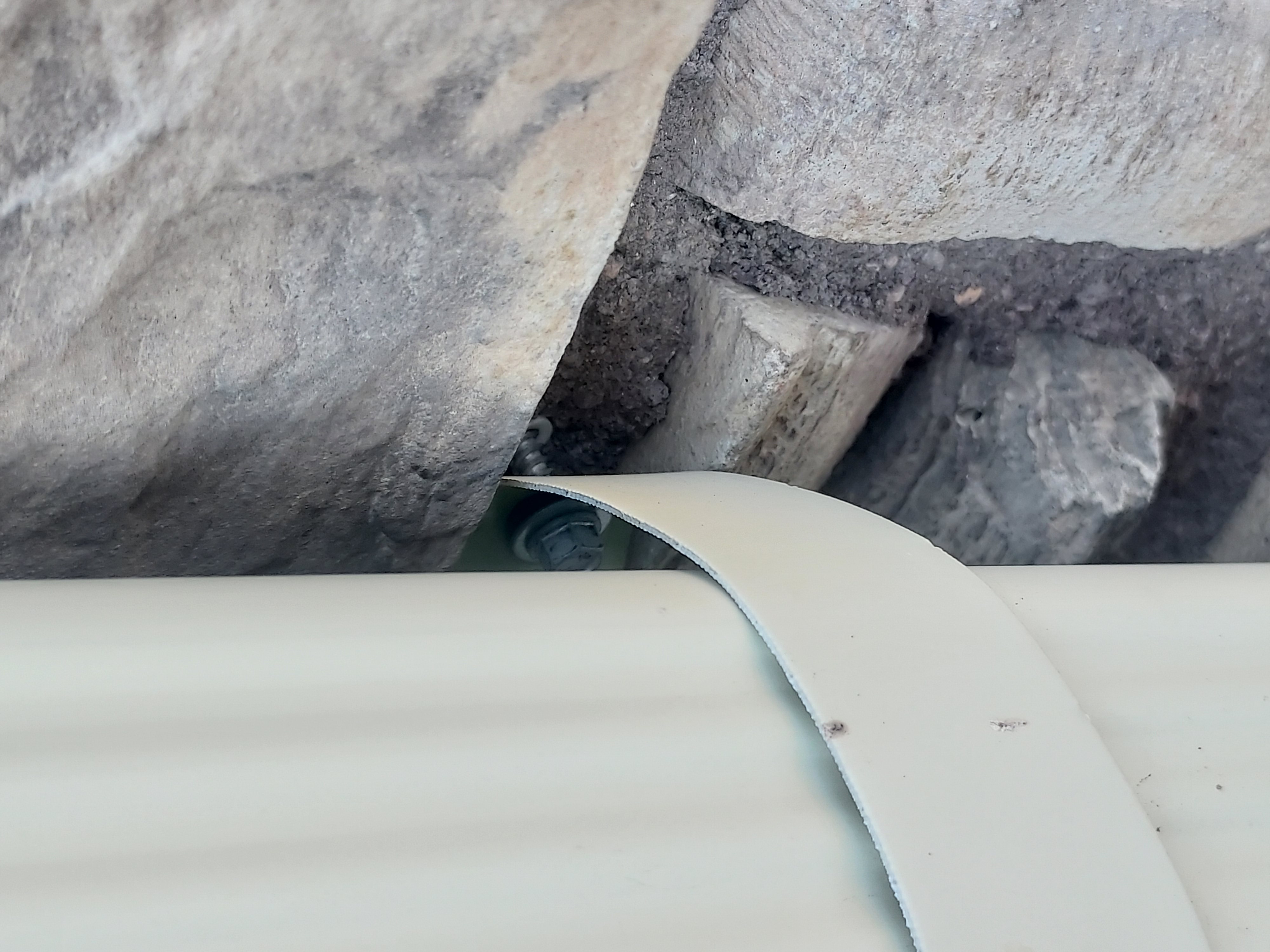
Rubber Washers: The Essential Secret to Saving Your Substrate

Why Rubber Washers are the Unsung Heroes of Exterior Construction
When it comes to building or maintaining a structure, it is often the smallest components that make the biggest difference. Whether you are installing signage, mounting HVAC brackets, or securing roofing panels, the interface between your fastener and the building's exterior is a critical point of failure. The simple addition of a rubber washer—often called a neoprene or EPDM washer—can be the difference between a lifetime of structural integrity and a costly repair bill.
The Role of the Substrate
The substrate is the underlying layer or surface—such as wood, metal, masonry, or composite—to which your fixtures are attached. When you drive a screw or bolt into these surfaces, you are creating a breach in the building’s protective envelope. Without proper sealing, this hole becomes an invitation for moisture, dirt, and chemical reactions.
How Rubber Washers Protect Your Investment
1. Creating a Watertight Seal
The primary function of a rubber washer is to act as a gasket. When the fastener is tightened, the rubber compresses, filling the microscopic gaps between the screw head and the substrate. This prevents rain, humidity, and melting snow from seeping into the hole, which is the leading cause of rot in wood and rust in metal.
2. Preventing Vibration Damage
Exterior surfaces are constantly subject to movement. Wind loads and thermal expansion can cause fixtures to vibrate or shift. A rigid metal-on-metal or metal-on-wood connection can eventually "wall out" the hole, making the fastener loose. Rubber washers provide a layer of dampening that absorbs these micro-vibrations, keeping the connection tight and the substrate intact.
3. Mitigating Galvanic Corrosion
When two dissimilar metals touch in the presence of moisture (like a stainless steel bolt on a galvanized steel panel), a chemical reaction called galvanic corrosion occurs. This can eat through your substrate in a matter of months. A rubber washer acts as an insulator, breaking the electrical path between the different metals.
Best Practices for Installation
To ensure your rubber washers do their job effectively, follow these tips:
- Don't Over-tighten: Tighten until the rubber begins to bulge slightly. If the rubber starts to split or "mushroom" out excessively, you've gone too far and compromised the seal.
- Check UV Ratings: Ensure you are using EPDM or high-quality neoprene washers designed for exterior use so they don't crack under sun exposure.
- Size Matters: The washer should be slightly wider than the head of the fastener to ensure full coverage of the entry point.
Conclusion
In construction, the goal is always to keep the elements out. While it might seem like a small detail, using rubber washers is a professional-grade standard that saves the substrate from premature degradation. Next time you're attaching anything to the exterior of a building, remember: Protect the breach, use a washer.